
Facing criminal charges or assisting a loved one through an unexpected arrest is one of the most stressful experiences a person can navigate. The immediate aftermath of an arrest often feels chaotic, filled with unfamiliar legal terminology, strict administrative deadlines, and complex judicial procedures. When panic takes over, defendants and their families frequently make rushed decisions that lead to extended jail stays, missed court dates, unnecessary financial strain, or compromised legal defenses.
Navigating the criminal justice system effectively requires a calm, structured approach. Proper pretrial preparation is not simply about securing a quick release from custody; it involves laying a solid foundation for the entire legal defense that follows. By understanding how the judicial system operates, organizing necessary documentation early, and partnering with experienced legal and financial professionals, you can eliminate systemic friction, reduce emotional anxiety, and safeguard your constitutional rights throughout the proceedings.
Streamline Indemnitor Paperwork and Collateral Verification

The hours immediately following an arrest are critical for setting a positive trajectory for the case. Before any formal release motions can be filed or financial guarantees posted, administrative processing must occur at the law enforcement facility. Being prepared with essential documentation accelerates this initial phase dramatically.
When seeking release on bond, the court and financial guarantors require verified identification, proof of employment, and residential history for both the defendant and any co-signers. Utilizing professional bail bonding services allows families to secure the necessary financial backing without liquidating personal assets or liquidating savings under severe time constraints.
-
Identification Records: Have government-issued photo IDs, Social Security cards, and recent utility bills ready to prove identity and residency immediately.
-
Financial Verification: Gather recent pay stubs, bank statements, or property records if the court requires proof of stability for indemnitors.
-
Agreement Terms: Take time to review all contractual obligations, ensuring all parties understand the timeline involved in the bail bond process before signing financial guarantees.
Delays in gathering basic documentation often cause defendants to spend extra nights in custody unnecessarily. When co-signers arrive unprepared, jail clerks and financial agents cannot complete the mandatory risk assessments required by law. Having a centralized folder of essential personal and financial records ready ahead of time ensures that the application moves smoothly from submission to approval.
Beyond immediate release logistics, organizing this paperwork early establishes financial clarity for the entire family. Indemnitors who fully grasp their financial commitments can avoid surprise costs, manage payment schedules comfortably, and maintain a stable home environment while the legal case proceeds through the courts.
Establishing clear communication regarding collateral assets is equally vital for indemnitors. Whether using real estate, vehicle titles, or liquid assets to secure a financial guarantee, understanding how and when those assets are released back to the owner prevents long-term confusion. When indemnitors know exactly how collateral is protected, it relieves financial stress during an already tense situation.
Furthermore, proper documentation setup simplifies future court filings if bond modifications become necessary. If a judge later agrees to lower the required bail amount or adjust non-monetary release conditions, having pre-verified financial and residential paperwork on file allows legal representatives to execute the necessary adjustments immediately without restarting the underwriting process from scratch.
Select Accredited Representatives for Rapid Discharge

Not all release procedures move at the same speed. Municipal jails and county detention facilities operate under strict shift schedules, and paperwork submitted incorrectly or during shift changes can result in hours of unnecessary detention. Working with knowledgeable professionals who understand local facility workflows helps avoid these administrative bottlenecks.
Engaging a licensed local bonding agent ensures that you have a representative who knows the specific shift changes, clerk office hours, and booking procedures of the local facility. Experienced agents can spot paperwork discrepancies before submission, preventing costly delays in processing the release.
-
Verify Credentials: Ensure your representative holds active state licensing and maintains good standing with regional judicial authorities.
-
Clarify Fee Structures: Reputable professionals adhere strictly to state-regulated premium rates and explain all administrative costs upfront without hidden charges.
-
Confirm Availability: Choose state-certified bail bond agents who offer round-the-clock availability, as arrest processing and magistrate hearings occur at all hours of the day and night.
Establishing a good relationship with an accredited agent also streamlines communication between the detention facility and the family. During high-volume booking periods, facility staff may take hours to return calls from the public. An experienced agent knows how to check booking dockets, confirm bail amounts, and track administrative progress directly.
In addition, knowledgeable representatives can answer crucial questions regarding non-standard bond conditions, such as travel limits or surrenders of passports. Their guidance helps indemnitors understand their ongoing legal responsibilities, ensuring that the defendant remains compliant from the exact moment they step out of the detention center.
Working alongside seasoned representatives also mitigates the risk of procedural errors during off-peak hours. Jails frequently experience backlogs during weekend nights or holidays, where minor clerical mistakes can delay a discharge by a full day. Experienced representatives monitor booking systems continuously to catch and correct spelling errors or missing case numbers before they stall release paperwork.
Additionally, trusted representatives maintain professional relationships with court clerks and magistrate offices, enabling quick confirmation when cash or surety bonds are successfully logged into the court record. This proactive oversight ensures that the detention center receives official authorization promptly, minimizing the time a defendant spends in processing holdings after bond is approved.
Fulfill Conditions of Release and Schedule Regular Check-Ins
Securing release from custody is only the first step in the pretrial process. Once released, the defendant must strictly adhere to all court-imposed conditions, which may include travel restrictions, drug screenings, curfews, or electronic monitoring. Violating any of these conditions can lead to immediate bond revocation, re-arrest, and additional criminal charges.
Establishing reliable communication channels helps ensure ongoing compliance. Working with established bail bond services provides defendants with structured check-in protocols and automated court date reminders, helping them stay on top of their legal obligations while out on conditional release.
-
Track Court Dates: Maintain a dedicated calendar specifically for court appearances, legal consultations, and mandatory drug or alcohol testing.
-
Report Address Changes: Always notify your representative and the court immediately if your residential address, phone number, or employment status changes.
-
Utilize Local Support: Partnering with an accessible local bailbond service makes fulfilling mandatory physical check-ins simple, convenient, and stress-free throughout the pretrial period.
Maintaining open channels of communication prevents simple misunderstandings from escalating into serious legal complications. For instance, if unexpected transportation issues or family emergencies arise on a court date, notifying your representative and legal team immediately allows them to inform the court properly rather than facing an immediate bench warrant.
Consistent check-ins also demonstrate accountability to the court and the bond guarantor. Showing a continuous record of compliance builds credibility that can work in the defendant’s favor during future plea negotiations, bond modification hearings, or sentencing discussions down the line.
Adhering strictly to release conditions also helps preserve personal and professional stability while awaiting trial. When defendants consistently meet curfew obligations and attend required check-in appointments, they can continue working, supporting their families, and maintaining daily routines without the constant fear of sudden compliance checks leading to re-arrest.
Furthermore, documenting full compliance provides defense counsel with valuable leverage during court proceedings. When an attorney can present a flawless record of pretrial compliance to a judge, it demonstrates respect for the judicial process and reinforces arguments for keeping the defendant released on personal recognizance or maintaining lower bond amounts throughout trial.
Retain Defense Counsel to Protect Constitutional Rights
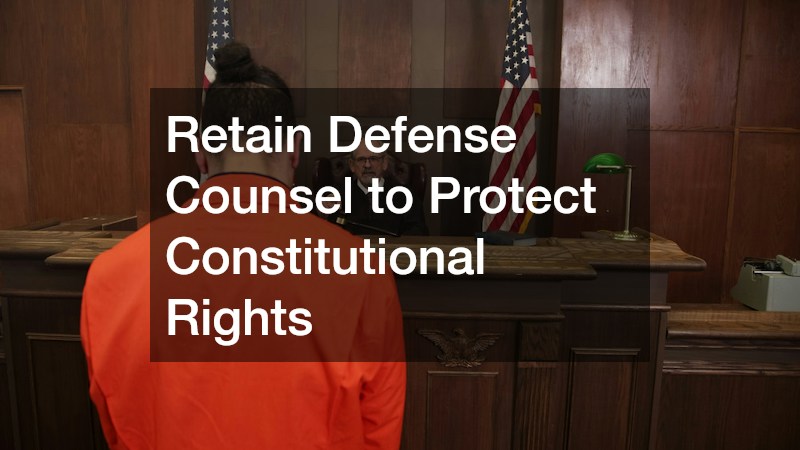
While financial guarantors focus on securing physical freedom, establishing a strong legal defense requires the immediate involvement of qualified legal counsel. A proactive defense strategy begins the moment an individual is released, as critical evidence must be preserved and witnesses interviewed while memories remain fresh.
Open communication between your legal team and your bail bondsman ensures that everyone is aligned regarding court schedules and appearance requirements, keeping your bond status intact while the case progresses.
Retaining an established law firm provides access to comprehensive defense resources, including private investigators, expert witnesses, and paralegal support. Furthermore, consulting experienced local attorneys gives defendants a distinct advantage, as these professionals understand the specific procedural nuances, prosecutorial tendencies, and judicial expectations of the local courtroom.
-
Preserve Evidence: Document all details surrounding the arrest, including times, locations, officer badge numbers, and potential eyewitness contact information.
-
Maintain Silence: Refrain from discussing the details of the case with anyone other than your legal team, especially on recorded jail phone lines or social media platforms.
-
Attend All Strategy Meetings: Actively participate in case preparation sessions to review evidence and help build a personalized defense strategy.
Early legal intervention can also lead to pre-charging negotiations in certain jurisdictions. An attorney can contact prosecutors before formal charges are filed to present mitigating evidence or clarify factual misunderstandings, potentially reducing the severity of the charges or preventing additional counts from being added to the indictment.
Having dedicated counsel by your side reduces the intense psychological burden of navigating criminal proceedings alone. Knowing that an experienced advocate is managing court filings, reviewing evidence, and protecting your constitutional rights allows you to focus on your personal life, family, and employment while awaiting trial.
Early involvement of counsel also prevents defendants from making unintended statements to law enforcement or investigators that could harm their case. Legal representatives handle all communications with prosecutors and police officers, ensuring that your rights are strictly protected and that no informal agreements are made without proper legal review.
In addition, an experienced legal team can quickly identify opportunities for diversion programs, specialized courts, or alternative resolution paths that may result in dismissed charges upon successful completion. Exploring these options during early pretrial stages opens up strategic pathways that avoid the risks and expenses of a prolonged trial.
Review Discovery Materials and File Pretrial Motions

Once legal counsel is secured, the focus shifts toward evaluating the prosecution’s evidence and identifying procedural errors. The discovery phase allows the defense team to examine police reports, body camera footage, breathalyzer calibration logs, and witness statements to determine the strength of the state’s case.
Working alongside a dedicated criminal defense lawyer allows defendants to challenge improperly obtained evidence or constitutional violations. Filing targeted pretrial motions—such as motions to suppress evidence or dismiss charges—can significantly alter the trajectory of a case, sometimes leading to reduced charges or complete dismissal before trial ever begins.
-
Examine Police Reports: Review arresting officer narratives carefully with your attorney to identify discrepancies or factual inaccuracies.
-
Challenge Illegal Searches: Evaluate whether law enforcement had probable cause or a valid search warrant before seizing personal property.
-
Prepare for Preliminary Hearings: Work closely with counsel to understand potential plea offers, court expectations, and trial timelines so you can make informed decisions about your future.
Thorough analysis of discovery materials often uncovers technical flaws in the prosecution’s case that an untrained eye would miss. This might include broken chains of custody for physical evidence, uncalibrated testing equipment, or failure to deliver proper Miranda warnings during custodial interrogation.
Strategic pretrial motions force the prosecution to prove that every piece of evidence was obtained in strict accordance with statutory and constitutional standards. Even when a motion does not result in a full dismissal, it frequently narrows the scope of admissible evidence, placing the defense in a much stronger position during plea discussions or at trial.
Systematic review of digital evidence—such as surveillance video, GPS records, and phone extraction reports—can also reveal crucial defense witnesses or establish clear alibis. Identifying and verifying these digital footprints early ensures that time-sensitive evidence is subpoenaed before server logs or video recordings are overwritten by third parties.
Finally, preparing for pretrial hearings provides defendants with a realistic perspective on the strengths and weaknesses of their case. Understanding the evidentiary landscape allows individuals to make clear-headed decisions regarding whether to proceed to trial or accept a negotiated resolution, ensuring that every choice is grounded in facts rather than uncertainty.
Navigating the criminal justice system does not have to mean surrendering to confusion and anxiety. By taking a proactive approach to pretrial preparation—organizing financial documentation early, adhering strictly to release conditions, and securing qualified legal and bonding representatives—defendants can regain control of their situation. Clear organization and prompt action eliminate unnecessary administrative delays, reduce personal stress, and ensure that your rights remain fully protected at every stage of the legal process.